

‘Ceasefire on life support’: Is US-Iran war about to reignite?

Trump called the US-Iran ceasefire ‘on life support’ as Iran declares it ‘cannot trust the Americans at all.’ With naval clashes in the Strait of Hormuz and diplomacy stalled, the world is asking: is a full-scale war about to resume?
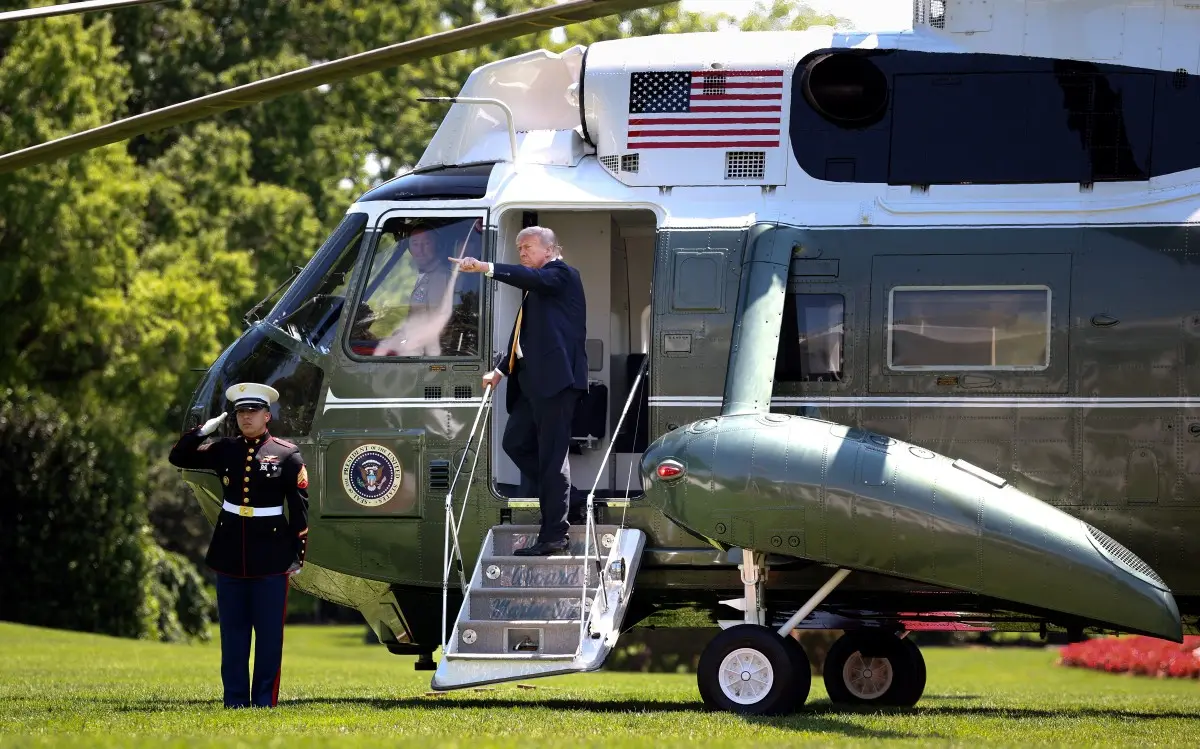

Trump’s Alarm: ‘On Life Support’
US President Donald Trump has publicly described the ceasefire between the United States and Iran as being ‘on life support’ an unusually blunt admission from a sitting president that a fragile truce is nearing collapse. The statement came after a series of escalating incidents in and around the Strait of Hormuz, where American and Iranian naval forces have exchanged fire in dangerous close-quarters confrontations that neither side has officially acknowledged as combat operations.

Iran: ‘We Cannot Trust the Americans at All’
Tehran’s response was equally stark. Iranian officials, speaking on state television, declared that Iran ‘cannot trust the Americans at all’ signalling that the back-channel negotiations brokered partly through Oman and Pakistan have hit a fundamental wall of mutual distrust. Iran’s foreign ministry accused Washington of continuing to supply Israel with intelligence and military assets even during the ceasefire period, a charge that US officials have not denied. For Tehran’s hardliners, every day the ceasefire holds without sanctions relief is proof that America is negotiating in bad faith.
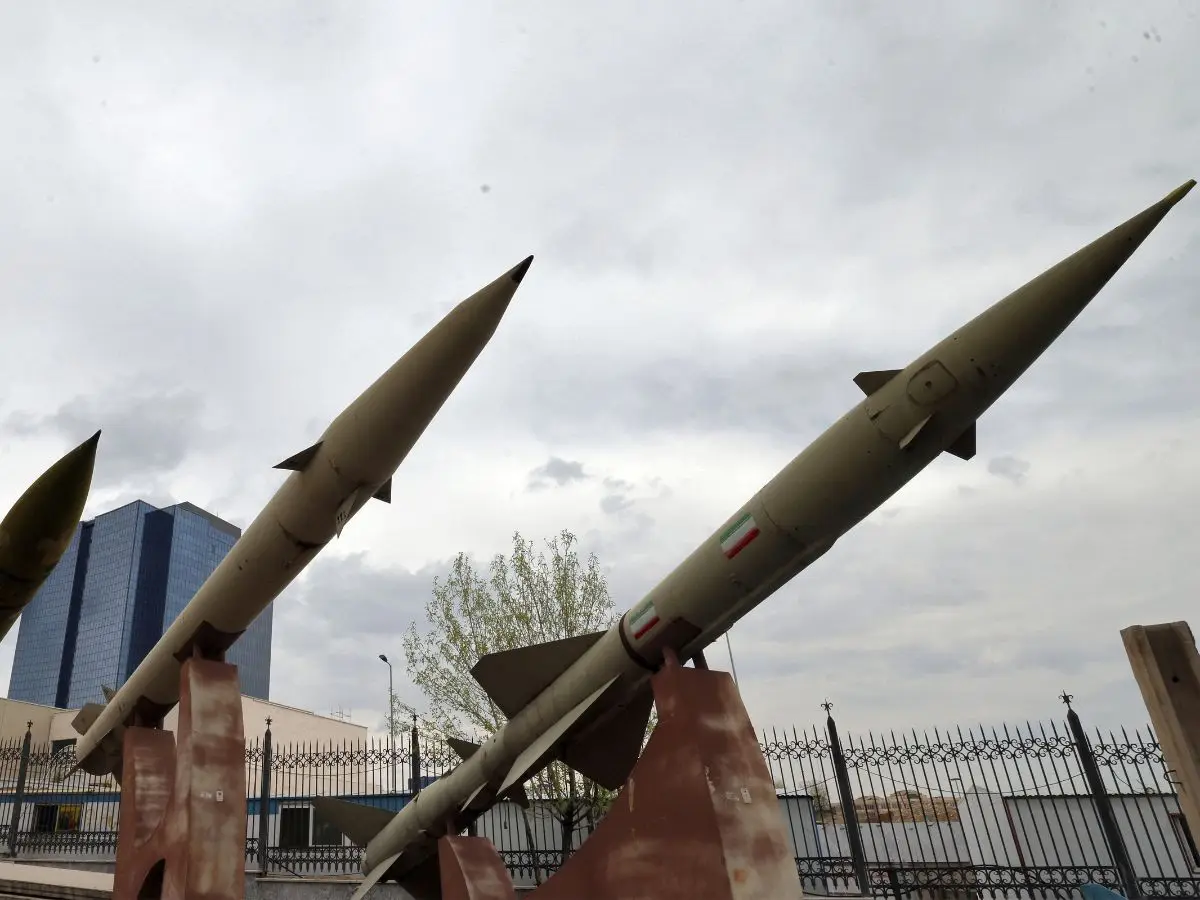
The Hormuz Naval Clash That Almost Broke Everything
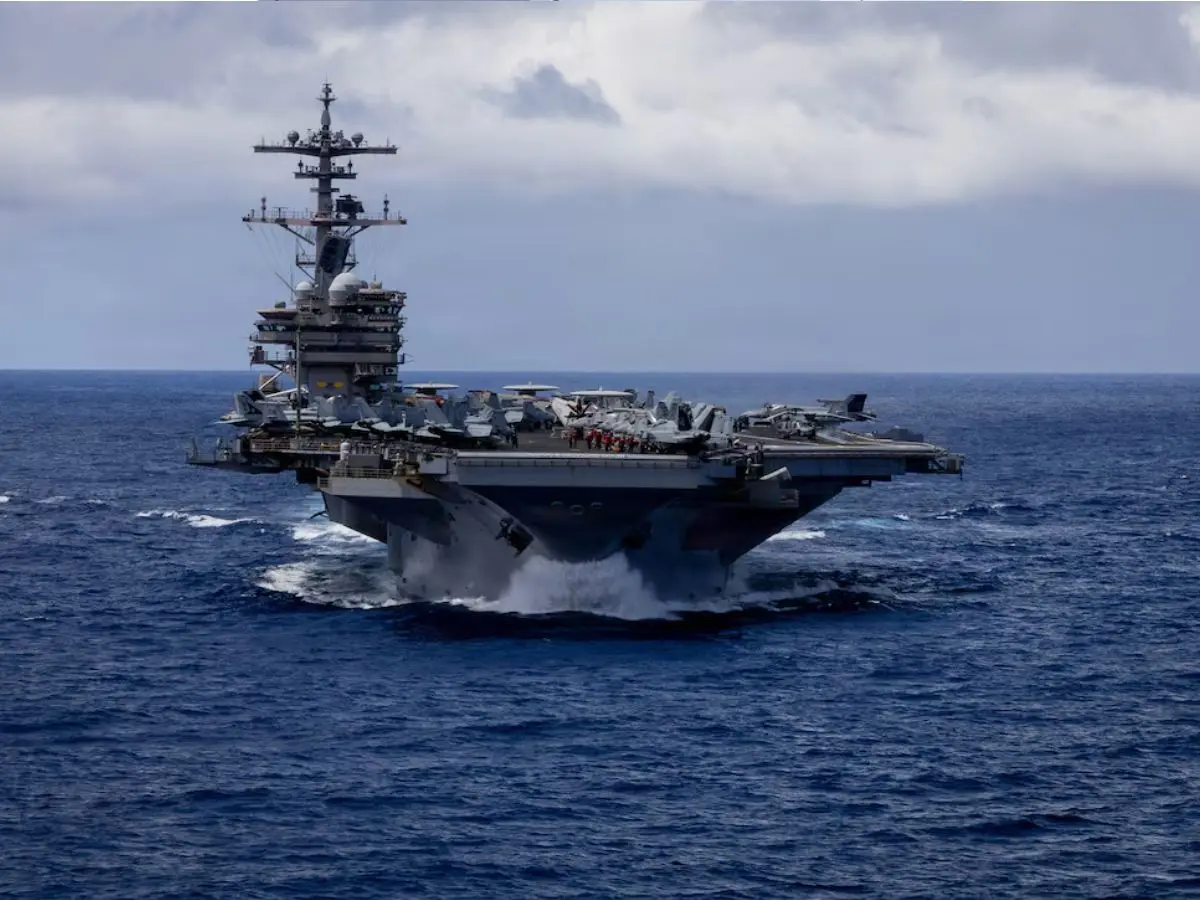
The most dangerous moment came when US Navy destroyers and IRGC fast boats exchanged fire in the Strait of Hormuz in an incident that both governments initially described as a ‘miscommunication.’ Satellite imagery and intercepted communications later confirmed a sustained exchange lasting several minutes. No vessels were sunk, but at least one IRGC craft was disabled. The incident sent oil markets into a brief but violent spike and triggered emergency sessions at NATO and the UN Security Council.
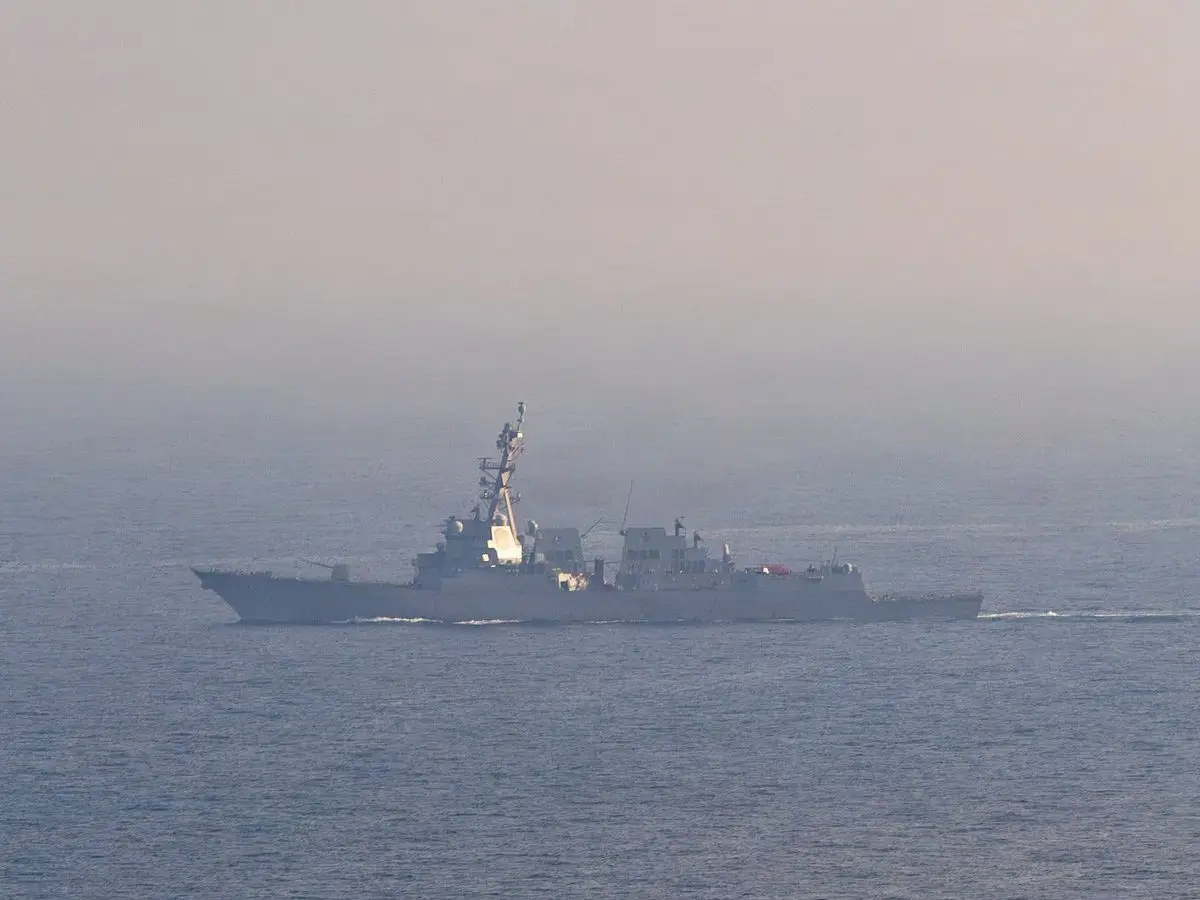
What the Ceasefire Was Supposed to Achieve
The ceasefire, brokered in the weeks following the February 2026 US-Israel air campaign that killed Supreme Leader Ali Khamenei, was meant to pause military operations while negotiations on a longer-term framework took shape. The core deal was simple in theory: Iran would stop harassing shipping in the Strait of Hormuz, and the US would pause new sanctions and refrain from further strikes. In practice, neither side has fully upheld their end, and the trust deficit has widened with every week of stalled diplomacy.
Israel’s Shadow Over the Negotiations
A key complication is Israel. Jerusalem has made clear it does not consider itself bound by any US-Iran ceasefire and reserves the right to strike Iranian military assets and nuclear infrastructure at will. Several alleged Israeli strikes on Iranian territory during the ceasefire period, which Israel has neither confirmed nor denied, have infuriated Tehran and given hardliners the ammunition to argue that the ceasefire is a trap designed to keep Iran passive while its enemies rearm and reposition. Iran has threatened to ‘teach a lesson’ if the attacks continue.
The Stakes: A Second Round Would Be Worse
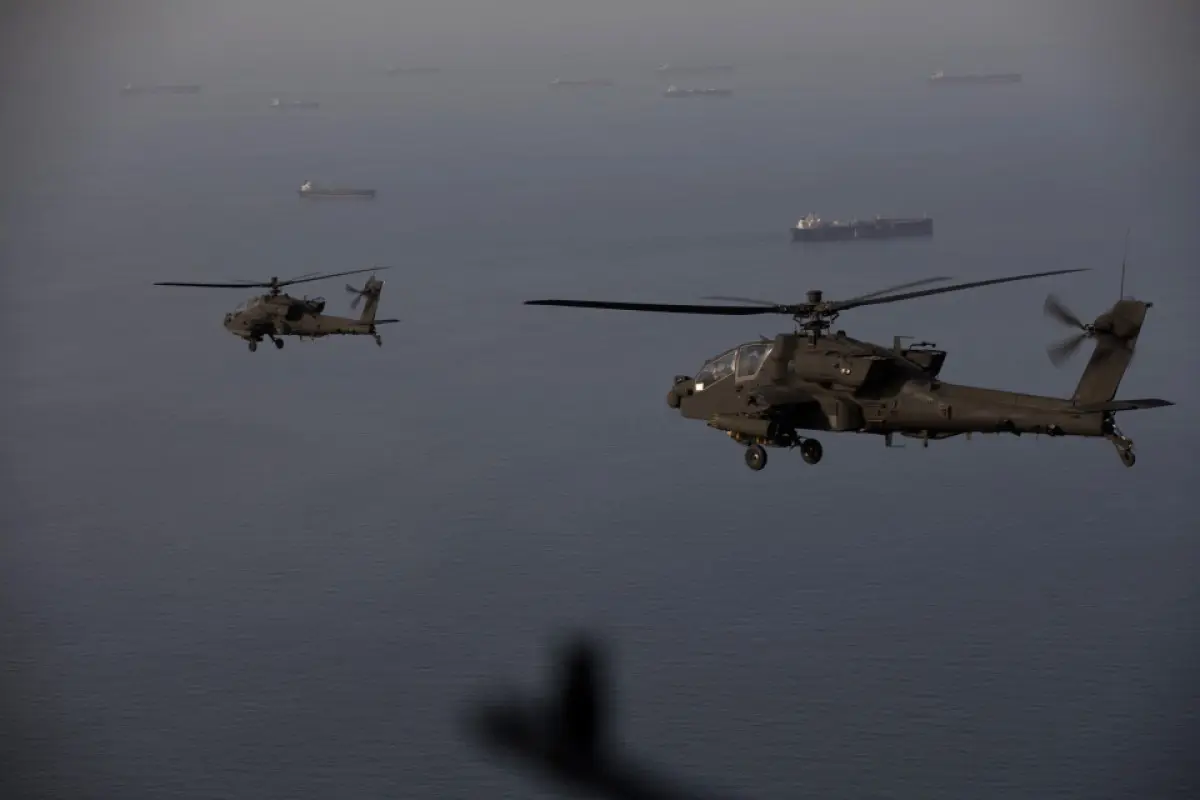
Military analysts warn that a resumption of full-scale conflict would be dramatically more destructive than the February 2026 opening phase. Iran has had months to disperse assets, harden positions, and prepare asymmetric countermeasures. A second US-Iran exchange would almost certainly involve a full Hormuz closure, Houthi attacks on Red Sea shipping, Hezbollah missile barrages into Israel, and Iranian proxy operations across Iraq and Syria. Global oil prices could spike above $150 per barrel within days, and supply chain shocks would ripple across every major economy.
The Next 30 Days Are Critical
Diplomats from Pakistan, Oman, Qatar, and several European nations are working around the clock to prevent a collapse. Pakistan’s foreign minister said this week he is ‘hopeful’ a deal framework can be agreed within weeks. China, which has enormous economic leverage over both Iran and the United States has quietly signalled its willingness to act as a guarantor of any new agreement. The window is narrow: military commanders on both sides are reportedly under pressure from political hardliners who believe the only way to force a favourable settlement is to return to the battlefield.